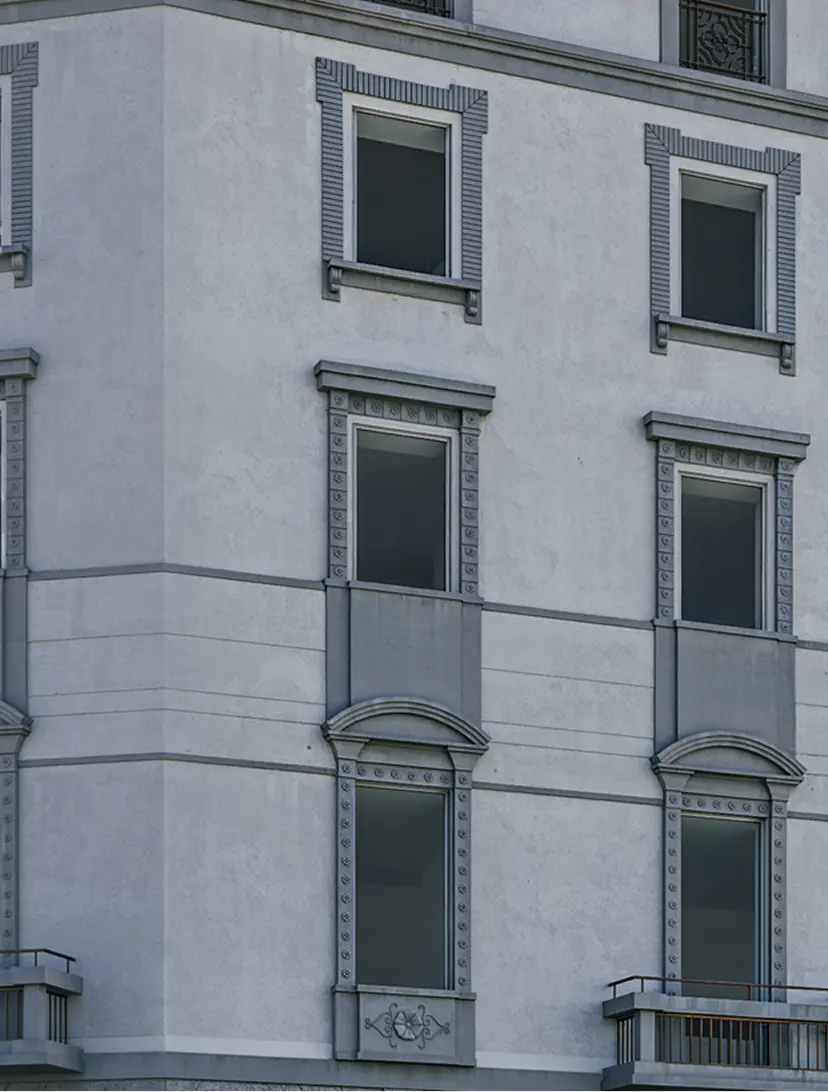
Nestled in the heart of Milan’s Portanuova district, two adjacent yet independent period buildings have been beautifully revitalised through a thoughtful renovation project. These structures, which reflect late 19th-century Milanese architecture, now feature separate lobbies and entrances, providing versatility for a range of uses. The renovation honours the historical identity of the buildings, retaining their original forms, authentic materials, and period-specific architectural details. This thoughtful approach not only preserves the essence of each building but also enhances the vibrant character of the Portanuova district.
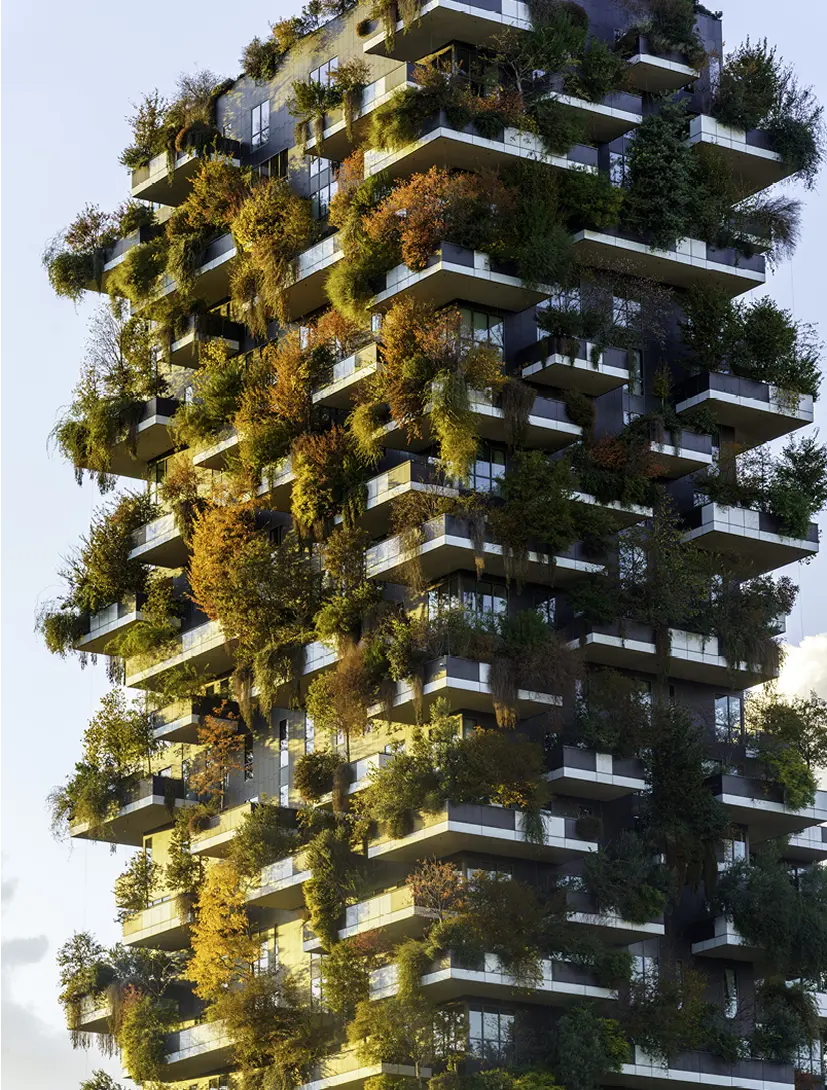
Viviani Bordoni is situated in a vibrant and bustling district that encourages social interaction and engagement with the city. Just a short distance from Piazza Gae Aulenti and the BAM – Biblioteca degli Alberi Milano park, this complex features a prime location that is easily accessible due to its proximity to subway lines and major high-speed rail stations. This area has already attracted some of the most notable companies in the hightech, finance, fashion, and consultancy sectors, all choosing to set up their headquarters here.
Looking ahead, a new development project is set to take place at Via Viviani 10 and 8, continuing the vision established with the Viviani Bordoni project. The upcoming office spaces currently under development aim to provide innovative solutions that blend historical identity with contemporary architecture. These spaces will present a strategic opportunity for businesses seeking visibility, flexibility, and exceptional value in a dynamic environment. The new buildings will also represent a concrete opportunity for expansion, designed to support the growth of the businesses that will become part of this new urban HUB.
VIA VIVIANI 8
VIA VIVIANI 10
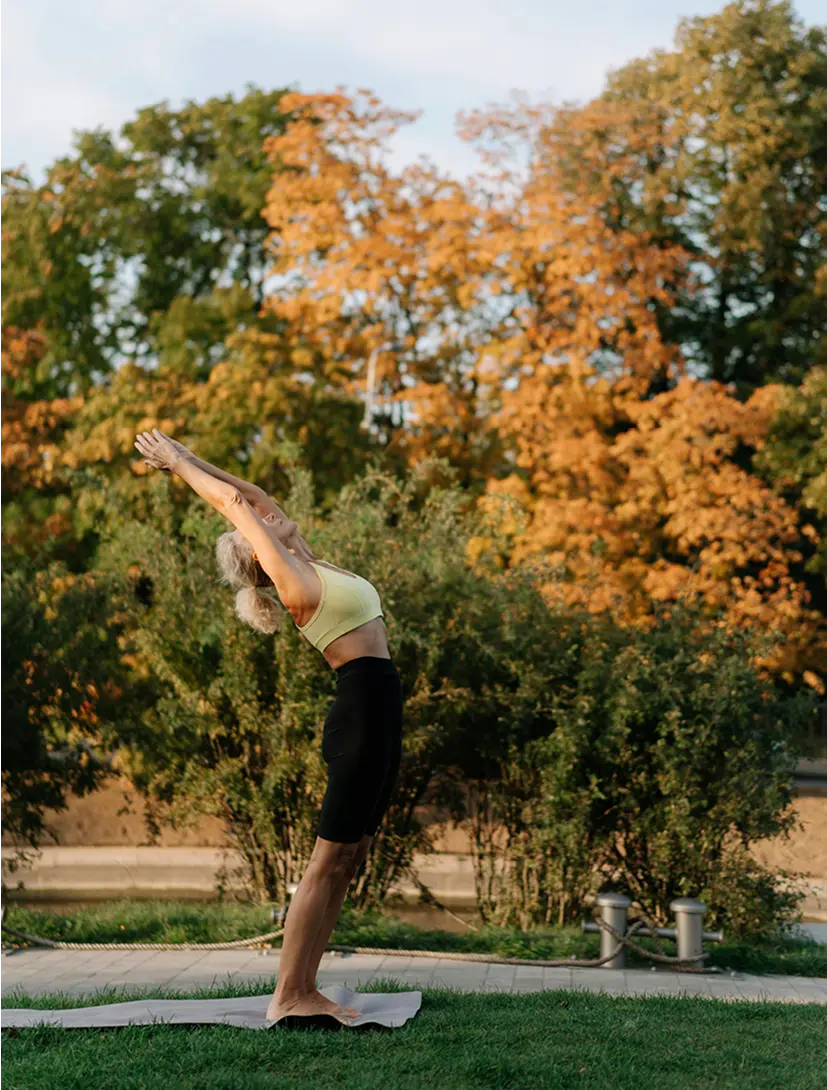
The Portanuova district is designed with a focus on enhancing quality of life while fostering a lively and interconnected community. It seamlessly combines workspaces with green areas, along with a carefully curated selection of high-quality shopping and dining options. The neighbourhood buzzes with energy every day, coming alive with events, cultural happenings, and opportunities for free entertainment that engage residents, workers, and visitors alike. This area exemplifies a refreshing approach to urban living, rooted in relationships, well-being, and meaningful connections.
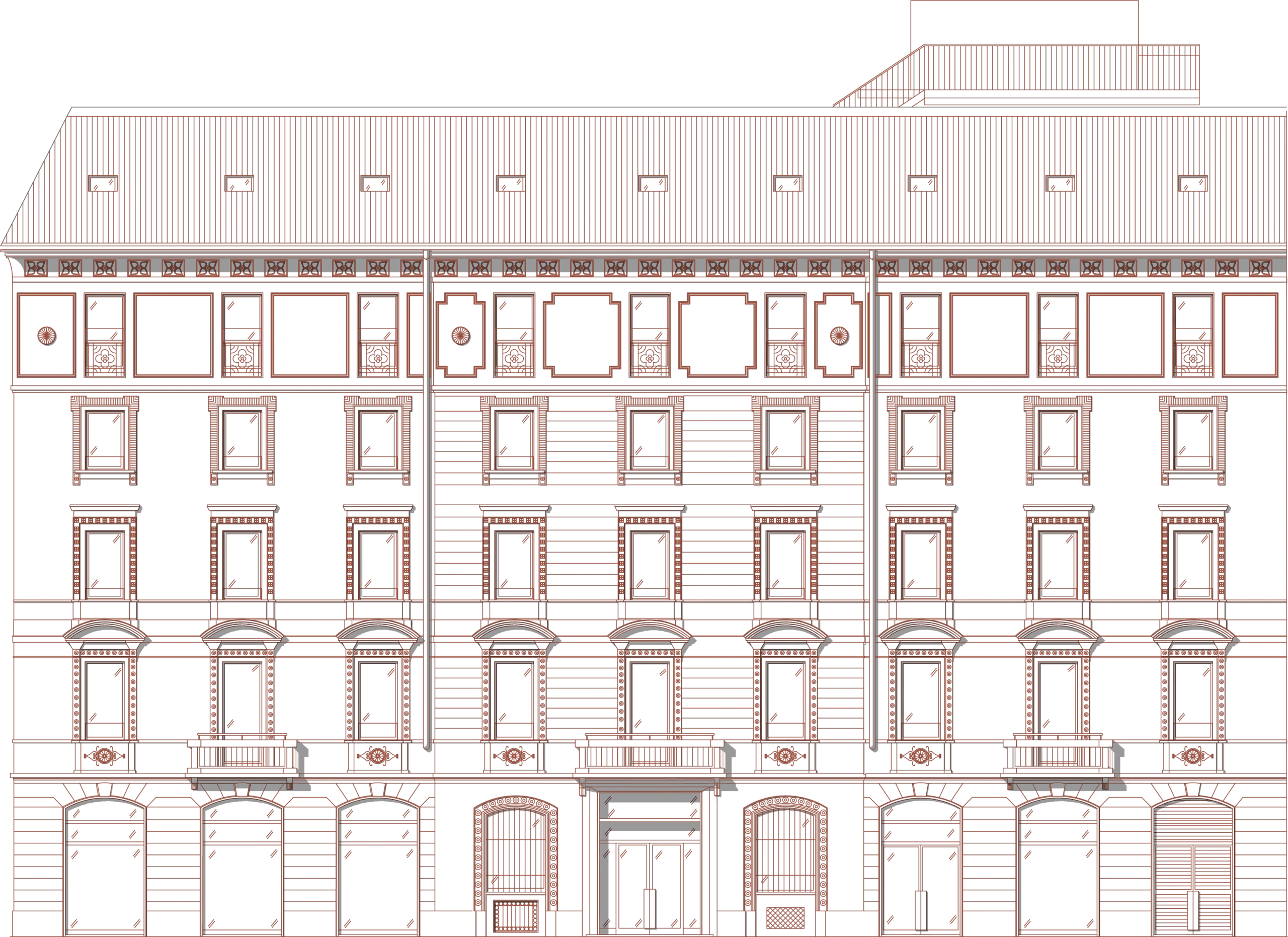
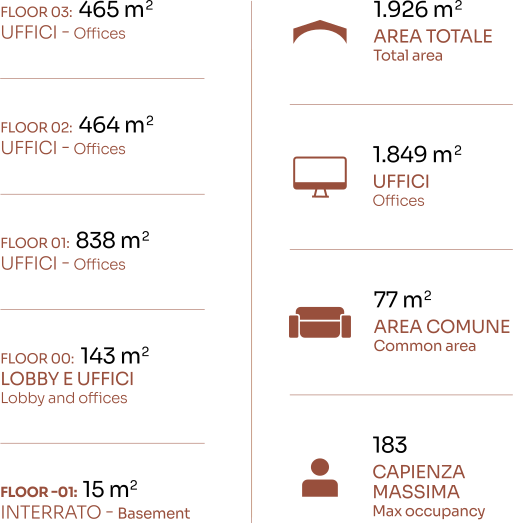
Viviani is the largest building in the complex, standing out for its striking architectural presence. It features six floors above ground, the interior spaces are airy, adaptable, and thoughtfully designed to accommodate a variety of layouts. Recent renovations have revitalised the building’s original features while adopting a modern and eco-friendly approach. With a dedicated entrance, efficient spaces, and advanced facilities, this property is designed to offer quality, comfort, and a sense of prestige.
LOBBY
OFFICE
OPEN SPACE OFFICE
LOUNGE BAR
“This project aims to blend contemporary design with the rich historical backdrop of Milan, ensuring continuity within the Portanuova district and enhancing the area’s vibrancy, efficiency, and modern charm.
This initiative aligns perfectly with several other projects that have played a vital role in breathing new life into this part of Milan.”
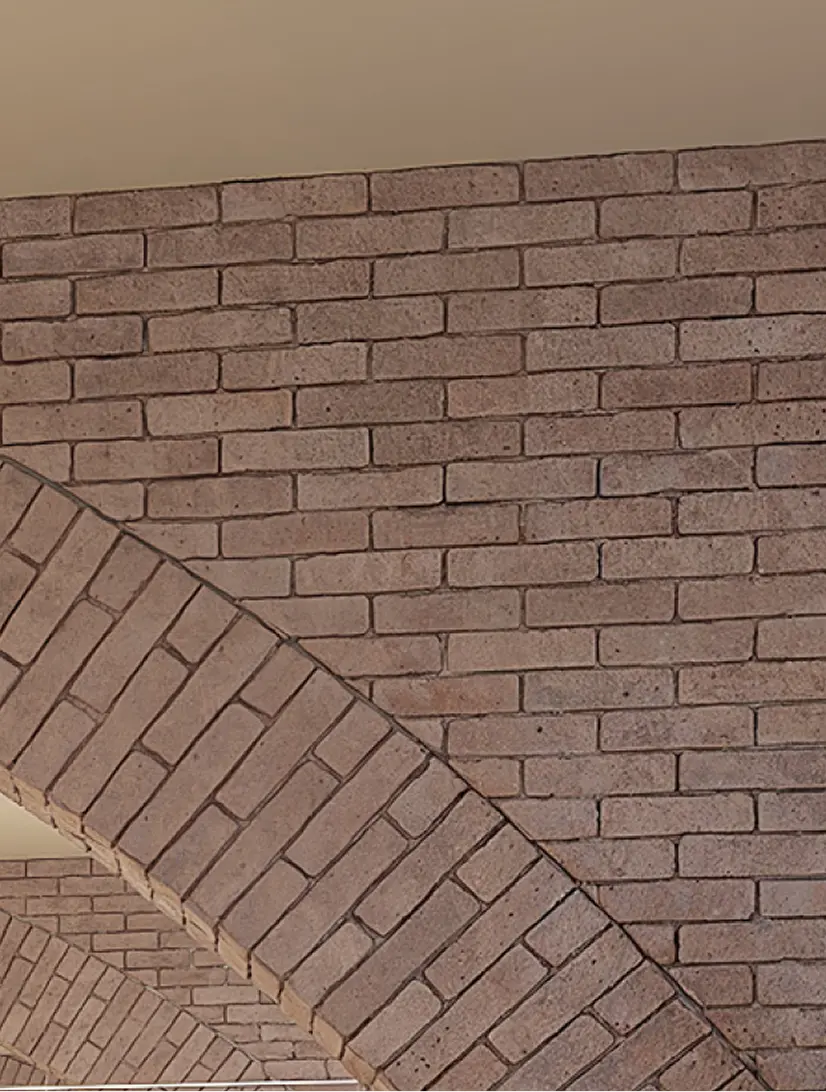
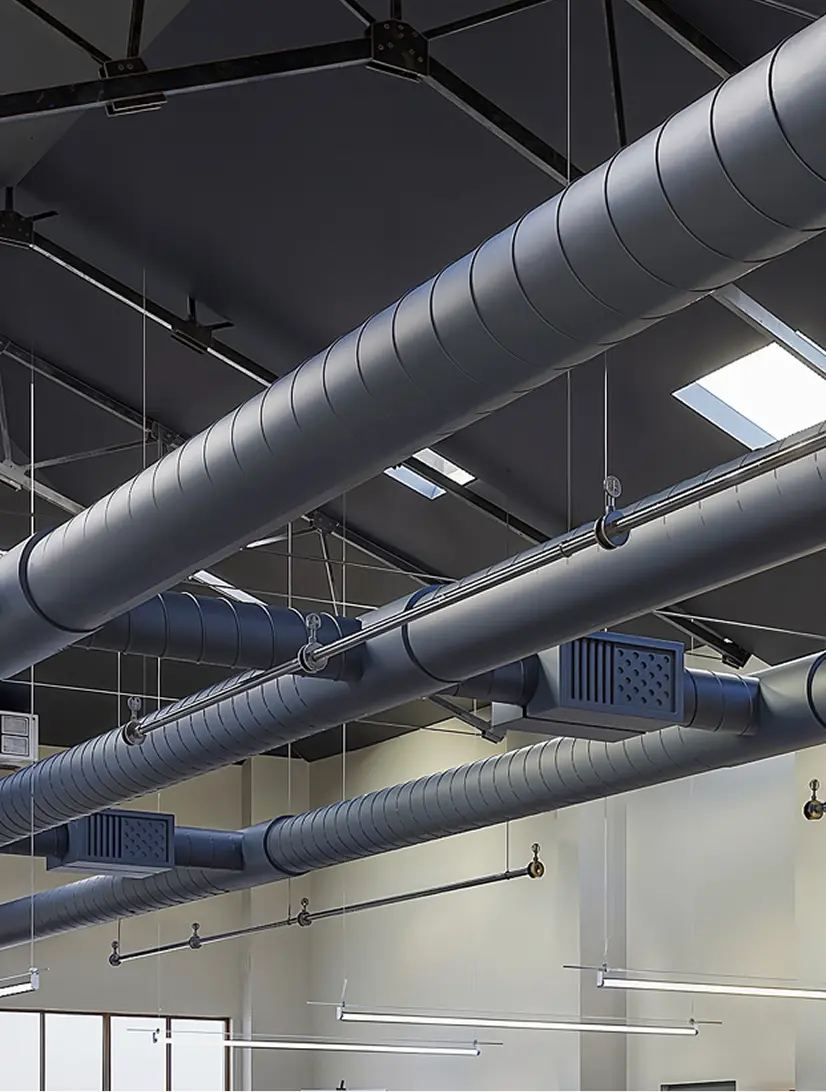
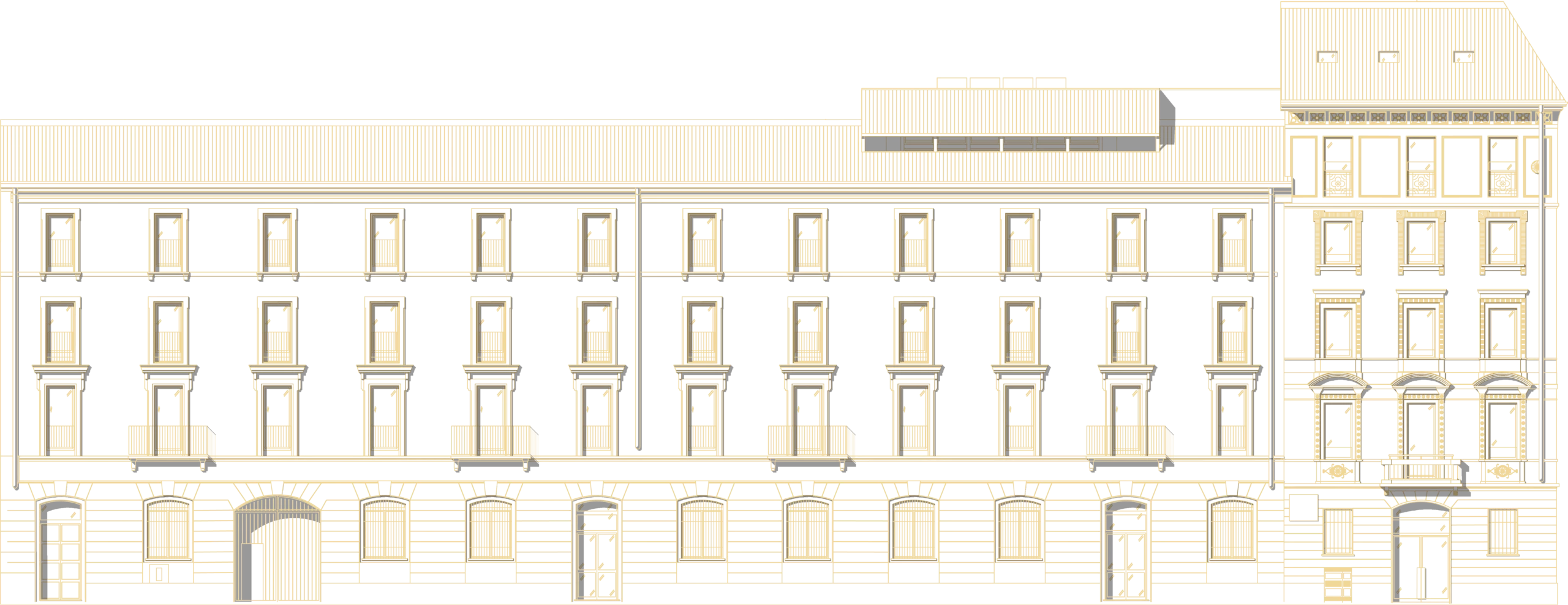
The Bordoni building spans four floors, offering bright and versatile spaces that are full of character. Its interiors highlight the original structure through authentic details, like exposed metal trusses and brick walls, resulting in a contemporary and unique atmosphere. The internal area, also designed for office use, occupies a single floor and is topped with a double-pitched metal roof, providing efficient, impactful spaces. This independent yet interconnected workplace is designed for those seeking character, functionality, and identity.
LOBBY
OFFICE
HANGAR
In terms of sustainability, the construction site prioritises low-impact solutions to reduce environmental harm, along with minimising the use of polluting materials and opting for certified products. Specifically, the project incorporates recycled materials—both pre and postconsumer—
with recognised environmental certifications such as EPD, FSC, Cradle to Cradle, and REACH. This approach ensures low or zero VOC content, safeguarding indoor air quality while adhering to leading sustainability standards.
The use of LED lighting fixtures, along with the thoughtful design of external lighting, not only reduces energy consumption but also helps mitigate light pollution. All lighting fixtures will feature a focused, downward-facing beam to minimise light dispersion. Specifically, the external lighting installations will have a Backlight – Uplight–Glare (BUG) rating that meets or falls below the standards set by the LEED protocol.
The choice of materials aims to celebrate the historical character of the buildings by combining original elements with contemporary finishes. Burnished metal, wood, and stone come together with the existing structures in a tasteful and elegant manner.
The original façades will be preserved and restored through thorough cleaning, painting, and restoration of decorative elements, which will be integrated in a way that does not alter the existing spaces, thereby maintaining their architectural balance.
The project respects the original architecture of the buildings while selectively updating the roofs and connecting elements. Structural changes are kept to a minimum, focusing on enhancing accessibility, efficiency, and the overall functionality of the interiors.